
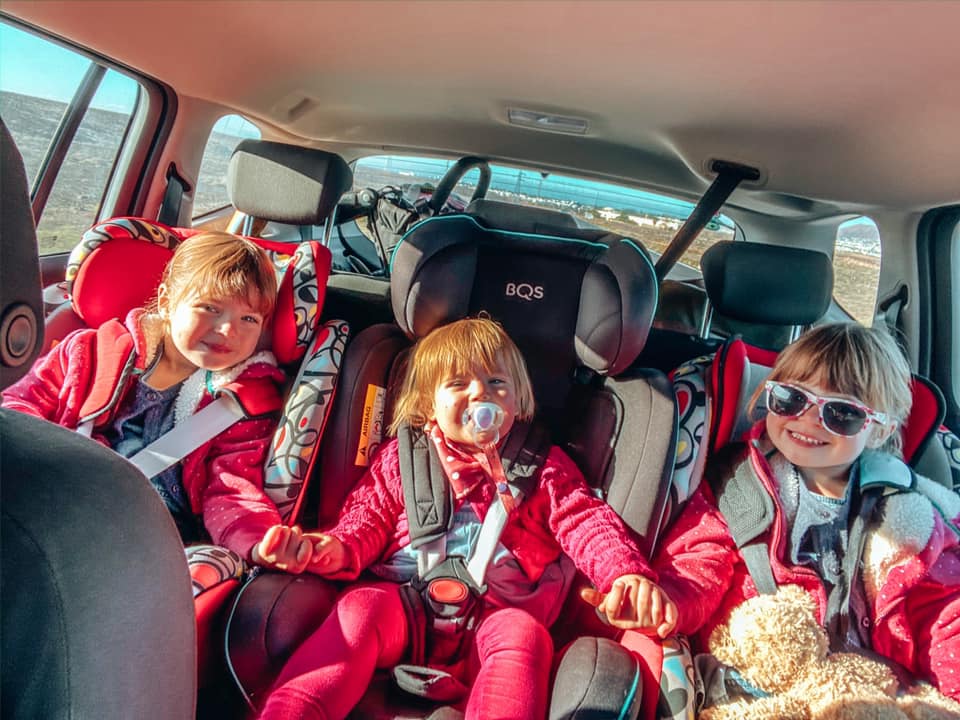
Family road trips look fun on the outside, but parents know the truth. Long drives test patience. Kids get restless. Routes change. Phones lose signal. One wrong turn or sudden stop can turn a calm drive into a stressful one.
*This is a collaborative post
Family travel safety feels more important now because road trips are longer and busier. Families drive through unfamiliar towns, highways, and rest stops. Kids fall asleep in the back seat. Parents juggle navigation, snacks, traffic, and timing all at once.
Common worries show up fast. Did we miss an exit? What if the car breaks down in a quiet area. What if we get delayed and no one knows where we are. These thoughts creep in, especially when traveling with kids.
Road trip safety is not about fear. It is about preparation. Families want fewer surprises and more calm during travel.
GPS tracking fits into family travel safety as a support tool. Not a control system. It helps parents stay oriented, share location when needed, and feel grounded during long drives. Used the right way, it supports safer road trip decisions without taking the joy out of family travel.
Table of Contents
What GPS Tracking Means for Family Travel?
GPS tracking for family travel simply means knowing where you are while you are on the road. Nothing more complicated than that. It shows your car’s location on a map so you can see where you are and where you have been.
You are not watching every move. You are staying aware during travel.
For families on road trips, this awareness helps in quiet ways. Parents can confirm they are on the right route. Another family member can see where the car is if plans change. If something unexpected happens, the location is already known.
This kind of tracking helps families stay prepared. If a wrong turn happens, you correct it faster. If traffic slows things down, others know why. If you stop longer than planned, no one panics.
GPS tracking does not control the trip. It supports it. It helps families stay calm, organized, and ready for small surprises that come with long drives.
Common Road Trip Safety Risks Families Face
Family road trip safety is not just about driving well. It is about handling long days, unknown places, and kids who depend on you for every decision.
These risks feel small on their own, but together they can wear parents down.
- Long driving hours: Long drives lead to tired eyes and slower reactions. Kids get restless. Parents push through “just one more hour.” Fatigue increases mistakes, even for careful drivers.
Breaks help, but timing does not always go as planned.
- Unknown routes and stops: New roads bring uncertainty. Gas stations feel farther apart. Rest stops look unfamiliar. Wrong turns happen easily, especially in areas with poor signal.
Parents worry about stopping in places they do not know, especially after dark.
- Overnight parking: Hotels, roadside stops, and parking lots feel different when you are away from home. Parents wonder if the car is safe. They think about where they parked and how to find it again in the morning.
These thoughts linger in the background.
- Traveling with kids in unfamiliar areas: Travel safety with kids means thinking ahead. Children wander. They need bathrooms, food, and space to move. In new places, everything feels louder and more confusing.
Parents stay alert the entire time, even during rest stops.
All of this adds pressure. Family road trip safety is not about avoiding travel. It is about reducing stress so families can focus on being together instead of worrying the whole way.
How GPS Tracking Helps During Family Road Trips
I saw the BrickHouse Car GPS trackers help families stay oriented and calm while traveling. It does not change how you drive. It supports you when plans shift or roads feel unfamiliar.
Here are a few ways GPS tracking supports car travel safety for families.
Knowing your car’s location in unfamiliar areas
New towns and highways feel confusing, especially after long hours on the road. GPS tracking shows exactly where your car is at any moment. If you miss an exit or take a wrong turn, you spot it sooner and adjust without stress.
This helps parents stay confident instead of second-guessing every turn.
Extra reassurance during long drives
Long drives come with quiet worry. Kids fall asleep. Phones stay silent. Miles pass without landmarks. GPS tracking adds reassurance by confirming progress along the route.
You know where you are and how far you have come, which eases mental fatigue.
Helpful in case of delays or emergencies
Delays happen. Traffic backs up. Weather slows plans. Sometimes the car needs attention. GPS tracking helps others see where you are without long explanations.
If help is needed, the location is already clear. That saves time and reduces panic during stressful moments.
Peace of mind when parking overnight or stopping often
Road trips include hotel stops, parking lots, and roadside breaks. Parents often think about where the car is parked, especially in new places.
GPS tracking helps you locate the car easily and adds calm during overnight stays or frequent stops.
Used this way, GPS tracking supports family road trip safety by lowering stress and helping parents stay focused on the journey, not the worry.
Practical Family Road Trip Safety Tips Using GPS
Family road trip tips work best when they feel easy to follow. GPS tracking should simplify travel, not add another thing to manage.
These road trip safety tips help families use GPS in a calm, practical way.
- Before starting the trip, set things up once. Make sure the GPS app works, location sharing is active, and everyone who needs access already has it. Doing this at home avoids stress on the road.
- Use alerts only for important moments. Alerts work well when they signal delays, long stops, or leaving a planned area. Avoid setting alerts for every movement. Fewer alerts mean less distraction while driving.
- Combine GPS tracking with route planning. Plan your main route, but expect changes. GPS tracking helps you stay aware if traffic, weather, or detours slow things down. It supports flexible planning instead of rigid schedules.
- Share access with one trusted family member. Choose someone who knows your travel plan. If delays happen, they can check the location without repeated calls. This keeps drivers focused and kids calmer.
GPS works best when it stays quiet most of the time. Used thoughtfully, it becomes part of smart family road trip safety instead of something that demands attention every mile.
GPS Tracking and Kids Safety While Traveling
Travel safety with kids looks different on road trips. Parents already manage snacks, breaks, moods, and timing. Adding worry does not help anyone enjoy the drive.
- GPS tracking helps when families use it the right way. It is not about tracking kids constantly. It is about knowing where the family vehicle is during long travel days.
- Parents feel calmer when they know the car’s location at all times. If a stop runs longer than planned or traffic slows things down, there is less second guessing. Calm parents make better decisions, especially with kids in the car.
- GPS also helps during busy travel moments. Rest stops, hotel parking lots, and crowded areas feel overwhelming with children. Knowing where the car is parked saves time and lowers stress when everyone is tired.
- For older kids, GPS can support basic travel awareness. Parents can explain routes, stops, and timing in simple ways. Kids learn that travel involves planning, patience, and staying together. This builds confidence without making them feel watched.
Most importantly, GPS tracking gives parents mental space. When adults feel prepared, kids sense that calm. The trip feels safer, smoother, and more enjoyable for everyone involved.
Used this way, GPS tracker helps kids safety by supporting parents first.
Mistakes Families Make With GPS Tracking on Road Trips
GPS tracking helps most when families treat it as support, not a shortcut. Many problems come from small habits that build stress instead of reducing it.
Here are common mistakes families make during road trips.
Relying only on GPS and skipping basic planning
GPS shows location, but it does not replace planning. Families still need to think about routes, fuel stops, meals, and rest breaks. When GPS becomes the only plan, small issues feel bigger than they need to be.
Preparation and GPS work best together.
Overchecking locations
Constant checking creates anxiety. Parents refresh the app again and again, even when nothing is wrong. This adds tension during long drives and pulls focus away from the road.
GPS works better when you trust it to sit quietly until needed.
Forgetting battery or signal checks
Phones lose battery. Signals drop in rural areas. Families sometimes assume GPS will always work without checking the basics first.
Simple checks before driving help avoid frustration later.
Not discussing expectations with family members
Problems arise when people do not understand why GPS is being used. Some assume it means control. Others think it replaces communication.
A short conversation before the trip builds trust. Everyone knows the purpose and limits.
Avoiding these mistakes keeps GPS tracking realistic and respectful. When families stay balanced, the tool supports safety without adding pressure to the journey.
Choosing a GPS Tracker for Family Road Trips
Choosing a GPS tracker for cars does not need to feel complicated. Families on road trips benefit most from tools that feel simple and dependable, not packed with features they will never use.
Here are the basics that matter for family travel.
- Easy to use: During a road trip, no one wants to learn a new system. The app should open quickly and show location clearly. If it feels confusing at home, it will feel worse on the road.
Simple tools get used. Complicated ones get ignored.
- Reliable signal: Road trips often pass through highways, small towns, and quiet stretches. A good tracker maintains steady updates instead of dropping location often. Reliable signals help parents feel prepared instead of guessing.
Consistency matters more than precision.
- Good battery life: Long drives mean fewer charging stops. A tracker with strong battery life reduces one more thing parents have to manage. Fewer battery worries mean more focus on the road and the family.
- Simple mobile access: Parents rely on phones during travel. A GPS tracker should work smoothly on mobile without extra steps. Quick access helps during stops, delays, or overnight parking.
For family road trips, the best GPS tracker feels invisible most of the time. It stays ready in the background and supports safety without asking for constant attention.
Conclusion: Safer Family Road Trips Start With Better Preparation
Family travel safety tips work best when they focus on preparation, not fear. GPS tracking supports calmer planning, clearer decisions, and fewer worries during long drives.
When parents feel confident on the road, kids feel it too. A prepared trip creates space for memories, not stress, and helps families enjoy the journey as much as the destination.
FAQs
Q1. Is GPS tracking safe to use during family road trips?
Yes. GPS tracking is safe when used for awareness, not constant checking. Most families use it to confirm location during long drives, delays, or overnight stops. It supports family road trip safety without distracting drivers or affecting how the trip runs.
Q2. Do I need a GPS tracker if I already use map apps on my phone?
Map apps help with directions, but GPS tracking serves a different role. It helps others see where the family car is if plans change or delays happen. For many parents, this adds reassurance during travel, especially on longer trips with kids.
Q3. How does GPS tracking help with travel safety when kids are in the car?
Travel safety with kids improves when parents feel calm and prepared. GPS tracking helps parents stay oriented, handle delays, and find the car easily during stops. When adults worry less, kids feel more secure during the trip.