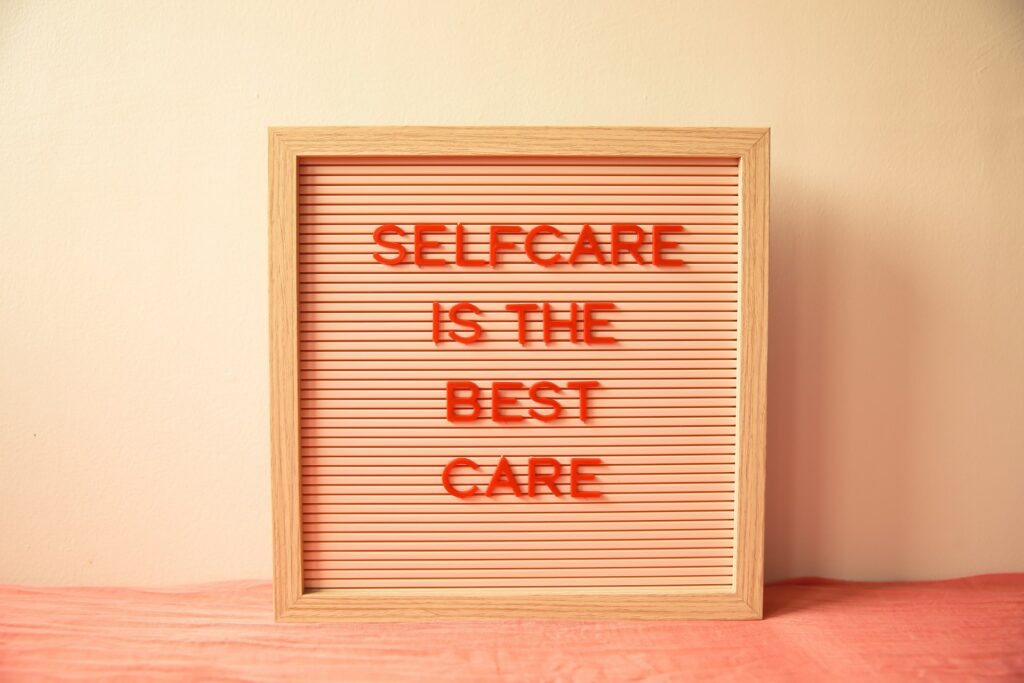
Self-care once had a fairly narrow definition, and it usually meant a spa day, a bubble bath or an early night. Those ideas still hold appeal, yet the term now covers a much wider set of habits that fit around school runs, work calendars and household chores.
*This is a collaborative post
Busy weeks leave limited room for anything new, so a habit has to earn its place quickly. Some trends last because they suit everyday life, while others fade once the novelty wears off.
Table of Contents
Why Self-Care Looks Different Now
Modern self-care leans towards small, repeatable actions instead of occasional treats. The emphasis has moved from indulgence to maintenance, so a ten-minute walk now counts as a valid way to recharge.
Social media has also played a part, because wellness ideas now spread quickly between countries. That speed brings fresh inspiration, although it also means some trends arrive with more hype than substance.
For parents, the pull between caring for others and caring for themselves adds another layer. Habits that include the whole family therefore have a better chance of lasting.
Trends Earning a Place in Busy Family Lives
Self-care trends with staying power share a few traits: they cost little, need minimal planning, and adapt to different schedules. They also work on a quiet Sunday as well as on a hectic weekday.
The following habits stand out for how easily they slot into ordinary days.
Walking Outdoors With Purpose
Mindful walking turns an ordinary stroll into a chance to notice surroundings, from birdsong to the crunch of leaves underfoot. It also counts towards weekly activity, and the UK Chief Medical Officers’ physical activity guidelines recommend that adults aim for at least 150 minutes of moderate activity each week. A local park or a loop around the neighbourhood is enough to make the habit stick.
Screen-Free Pockets of Time
Setting phone-free windows, such as mealtimes or the first hour after waking, gives attention back to the people nearby. Households can build on the idea with a basket for devices during family meals or board game evenings, and shared moments feel less rushed.
Evening Wind-Down Cues
Consistent cues, like dimmed lights, a familiar book or a gentle playlist, signal that the day is ending. Keeping them in the same order each night makes the evening feel calmer and more predictable for adults and children alike.
Newer Additions to the Self-Care Shelf
Product-led self-care has grown alongside these habits, and wellness shelves now carry a far wider range than before. Each option suits different preferences, so personal taste and household needs matter as much as the trend itself. The following additions show how varied that range has become.
- Magnesium bath flakes. A warm soak offers a slower, more deliberate break from the day, and magnesium flakes add a sense of occasion to an ordinary bath. A handful of flakes dissolves easily in warm water, and a 15- to 20-minute soak on a set evening each week gives a clear reason to step away from screens and to-do lists.
- Aromatherapy diffusers. A gently scented room feels more inviting at the end of a long day, and a diffuser fills the space with a light mist of essential oil. The reservoir holds water and a few drops of lavender or eucalyptus, while a built-in timer turns the diffuser off automatically. However, households with babies or pets should first check which oils suit a shared space.
- Guided journals. Reflection feels far more manageable with a prompt to start from, which is where guided journals earn their appeal. Five to ten minutes in the morning or before bed is enough to answer the day’s questions, and themed editions focusing on gratitude or goal setting add variety once the first journal is full.
- Botanical vape products. Plant extracts such as lavender, chamomile and hemp have long been valued for their calming aromas, and vaping gives some adults another way to enjoy them as part of winding down. Hemp-based choices include a CBD vape or a CBG vape liquid. Reputable CBG UK sellers publish independent lab reports, so buyers can check what a product contains before they buy.
How to Judge Whether a Habit Is Worth Keeping
A useful test is whether a habit still appeals after two or three weeks, once the initial excitement has worn off. Anything that feels like a chore by then may need adjusting, since a habit kept out of obligation loses its purpose.
Cost and portability matter as well, particularly for families who travel regularly. A habit that works only at home, or one that needs expensive kit, can fall away the moment the suitcases come out, whereas simpler practices survive a change of scenery.
Checking claims matters too, and trustworthy brands avoid promising dramatic results. Clear labelling, published ingredients and honest descriptions signal something worth considering.
Self-Care Grows With the Person Practising It
Self-care looks less like a single purchase and more like a collection of small choices that suit one particular person or household. What feels right during a season of toddler tantrums may look very different once children reach secondary school.
Revisiting that collection every few months keeps it relevant, and letting go of what no longer fits is as much self-care as starting something new.