Table of Contents
Keeping Up With Your Hobbies as Your Body Changes
Hobbies carry a lot of meaning in family life. They fill weekends, shape holidays and give parents and children something to share long after the school run is over.
*This is a collaborative post
Yet the body that carries you along coastal paths and across swimming pools does not stay the same from one decade to the next. So keeping hold of the activities you enjoy often depends on noticing those changes early and adjusting with a little care and patience.
What Changes in Your Body Over Time?
Muscle mass and strength gradually decline from middle age onwards, and joints can feel stiffer after long periods of sitting. Recovery after a demanding day may also take longer, while energy levels can vary with sleep, work, parenting and hormonal changes.
None of this means giving up the things you love, and small changes made early can keep favourite pastimes within easy reach. Instead, it suggests you may need a few thoughtful tweaks to how you approach them, so each outing leaves you pleasantly tired and ready for the next one.
How to Adapt the Hobbies You Love
Adapting a hobby means changing the preparation, pace or equipment involved while keeping the enjoyment intact. And the UK Chief Medical Officers recommend that adults aim for at least 150 minutes of moderate activity each week, along with muscle-strengthening activity on at least two days.
So with those figures in mind, the four family favourites below show how small adjustments can keep each hobby enjoyable as the years go by.
Walking and Hiking
Supportive footwear and a pair of walking poles can take some of the load off your knees on steep descents, whether you are exploring the Peak District or the Cornish coast. And planning shorter loops with a café stop halfway gives everyone, including little legs, a natural chance to rest.
Swimming and Water Sports
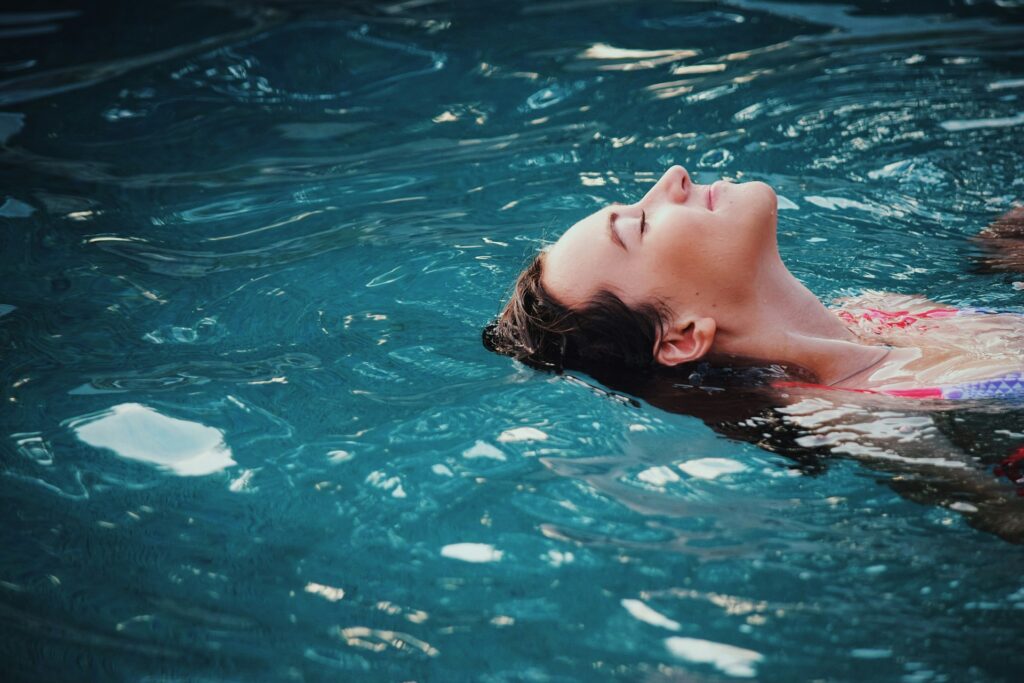
Water supports your body weight, making swimming a gentler choice on days when your joints feel stiff. Because holiday pools and sheltered beaches suit mixed ages, it also becomes an easy activity for grandparents, parents and children to share.
Gardening
Digging, lifting and carrying all count as muscle-strengthening activity, which puts the vegetable patch firmly on the list of useful hobbies. But kneeling pads, long-handled tools and shorter sessions spread across the week can make the work kinder on your back and knees.
Cycling
Cycling keeps you moving without the repeated impact of running, so it suits families who want longer days out on two wheels. And an e-bike or lower gears can keep hillier trails enjoyable for every member of the group.
Looking After Yourself Between Outings
The hours between activities shape how you feel on the next trail or swim, because rest and nourishment give your body time to recover. These habits travel easily from home to holiday, which makes them easy to keep up.
With that in mind, two areas deserve a little attention alongside the hobbies themselves.
Sleep and Recovery
A regular bedtime gives your body a steady window to rest after a full day outdoors, even on holiday. And gentle stretching or a slow evening stroll after a long car journey can ease the stiffness that builds up in the seat.
Food and Hydration
Regular meals and plenty of water keep everyone going on long days out, while filling snacks such as oatcakes, nuts or bananas are simple to pack for stops along the way. Some parents also consider natural energy supplements alongside a balanced diet during busier seasons.
Why Food Supplements Fit In
Food supplements are another option once the basics of sleep, food and movement are in place. They are meant to supplement a normal diet, so they fit in when seasons, dietary choices, or busy family weeks make certain nutrients harder to get from meals alone.
And each one comes from a different source, which makes the options below worth knowing before you choose.
Vitamin D
Vitamin D helps maintain normal bone and muscle function and supports normal immune function. So it fits in during autumn and winter, when UK health advice recommends a daily 10 microgram supplement for everyone.
Omega-3
The omega-3 fats EPA and DHA support normal heart function, while DHA also helps maintain normal brain function and vision. And these fats are harder to get from meals alone in households that eat little oily fish.
Magnesium
Magnesium helps ease tiredness and fatigue and supports normal muscle function. Because it also plays a part in electrolyte balance, it suits active households who spend long, warm days out together.
Glucosamine and Turmeric
Glucosamine and turmeric are both sold as joint supplements, so they frequently share a shelf and even appear together in combined products. A closer look at glucosamine vs turmeric for joint pain shows how the two compare in that category.
Glucosamine is a compound the body makes naturally for cartilage, while turmeric contains curcumin, a compound researchers have studied for its anti-inflammatory properties. So each brings something different, and both fit well alongside a balanced diet and the hobbies that keep your family moving.
Using Supplements Safely
Whichever option you choose, the Food Standards Agency recommends following the dosage on the label and speaking to a GP or pharmacist first if you have a medical condition or take prescription medicines. And that advice applies equally to vitamin D, omega-3, magnesium, glucosamine and turmeric, because supplements are not a substitute for a varied diet.
Your Favourite Pastimes Can Grow Alongside You
A family adventure teaches children something beyond the destination itself. They watch how adults pace themselves, pause to enjoy a view and return to the same trail years later with the same enthusiasm.
So every small change you make along the way becomes part of what they carry into their own adult lives. And a hobby that bends with each season of life can stay with a family for generations, gathering fresh memories at every stage.