
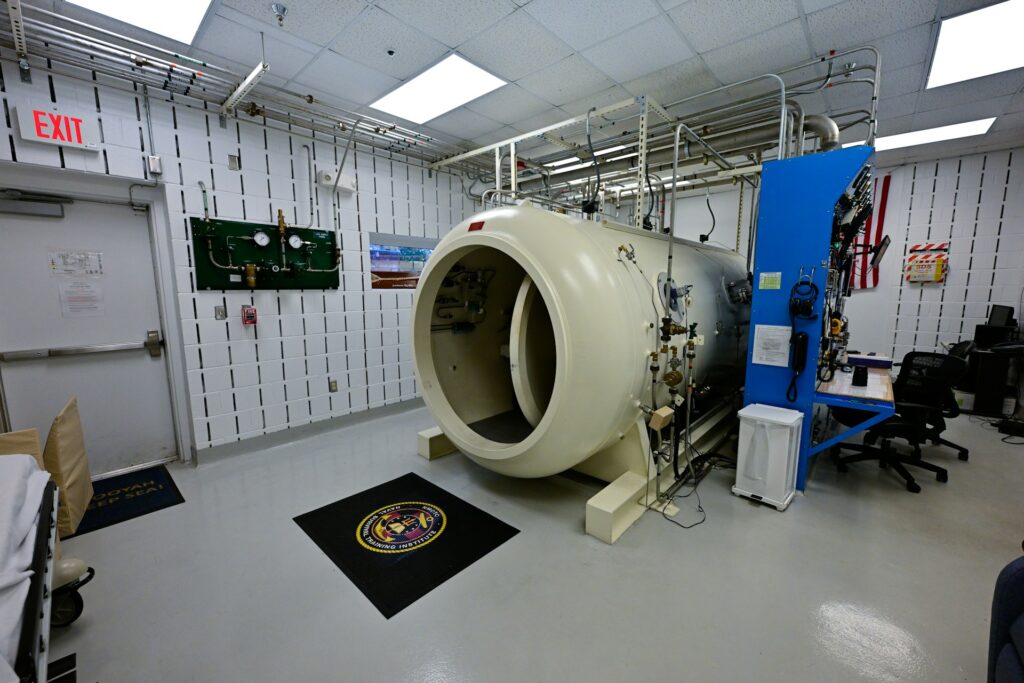
A hyperbaric oxygen chamber looks straightforward enough from the outside: a clear tube, a padded interior, a hiss of pressurized air. But the therapy itself involves more preparation, physiological adjustment, and follow-through than most people expect walking in for a first session. Whether a physician recommended it for a non-healing wound or a chronic condition, or you’re considering it for recovery or performance reasons, knowing what’s ahead makes the process smoother and the results more predictable.
*This is a collaborative post
Table of Contents
It Requires a Real Time Commitment
A single session typically runs 60 to 120 minutes, and most treatment plans call for multiple sessions per week over several weeks. Wound care protocols, for example, often involve 20 to 40 sessions total, sometimes more for conditions like radiation injury or refractory osteomyelitis. This isn’t a one-and-done treatment, so factor the cumulative time into your schedule before starting, including travel and the recovery period after each session.
Your Ears Will Need to Adjust to Pressure Changes
Inside the chamber, pressure increases to somewhere between 1.5 and 3 times normal atmospheric pressure, similar to what a scuba diver experiences at depth. That pressure change affects your ears the same way a flight does, and you’ll need to equalize by swallowing, yawning, or performing a gentle Valsalva maneuver. People with untreated ear infections, recent ear surgery, or chronic sinus problems often struggle here, so mention any history of ear issues to your provider beforehand.
Certain Medications and Conditions Change the Picture
Some medications interact poorly with high-oxygen environments. Doxorubicin, cisplatin, and disulfiram are among the drugs that require special caution or a pause before treatment. Conditions like untreated pneumothorax, certain lung diseases, and uncontrolled seizure disorders can also make hyperbaric therapy unsafe. A thorough medical history review before your first session isn’t a formality; it’s what prevents complications during treatment.
Oxygen Toxicity Is a Real, Manageable Risk
Breathing near-100% oxygen at increased pressure for extended periods carries a small risk of oxygen toxicity, which can affect the lungs or, more rarely, the central nervous system. Symptoms might include visual changes, muscle twitching, or nausea. Trained staff monitor for these signs throughout treatment, and protocols include air breaks built into longer sessions specifically to reduce this risk. It’s rare, but understanding why those air breaks happen helps you feel less alarmed if you notice them.
Not Every Provider Offers the Same Quality of Care
Hyperbaric chambers range from hospital-based multiplace units staffed by physicians and certified technologists to smaller monoplace chambers in outpatient clinics, and increasingly, mild hyperbaric units marketed directly to consumers for wellness purposes. The oversight, equipment maintenance, and clinical protocols vary widely between these settings. When you search for the Top providers of hyperbaric therapy near me, look specifically for accreditation through the Undersea and Hyperbaric Medical Society (UHMS), since that credential signals adherence to established safety and treatment standards rather than just equipment ownership.
Insurance Coverage Depends Heavily on Diagnosis
Medicare and most private insurers cover hyperbaric oxygen therapy for a specific list of approved conditions, including diabetic foot ulcers, certain infections, radiation tissue damage, and carbon monoxide poisoning. Conditions outside that approved list, including many off-label uses for autism, sports recovery, or general anti-aging purposes, are typically paid out of pocket. Costs per session can range from 200 to 2,000 dollars depending on the facility type and location. Before committing to a full treatment course, confirm with both your provider and insurer exactly what’s covered and what documentation your diagnosis requires.
Results Build Gradually, Not Immediately
Tissue healing driven by increased oxygen delivery happens at a cellular level, promoting new blood vessel growth and collagen formation over time. Most patients don’t notice dramatic change after one or two sessions; measurable improvement in wound size or symptom relief usually shows up several weeks into a treatment course. Providers typically reassess and photograph wounds at set intervals to track this progress objectively rather than relying on how a patient feels day to day. Patience with the timeline matters as much as showing up for each appointment.
Getting the Most From Treatment
The biggest factor in successful outcomes isn’t the chamber itself but the match between your specific condition, an accredited provider, and consistent attendance through the full recommended course. Skipping sessions or stopping early because you don’t see immediate results often undermines the cumulative effect the therapy depends on. Talk with your referring physician about what specific markers they’ll use to judge progress, and ask your hyperbaric provider directly about their staff certifications and session protocols before signing on for a full course. Going in informed about the timeline, the physical sensations, and the realistic outcomes makes the entire process far less intimidating and considerably more effective.